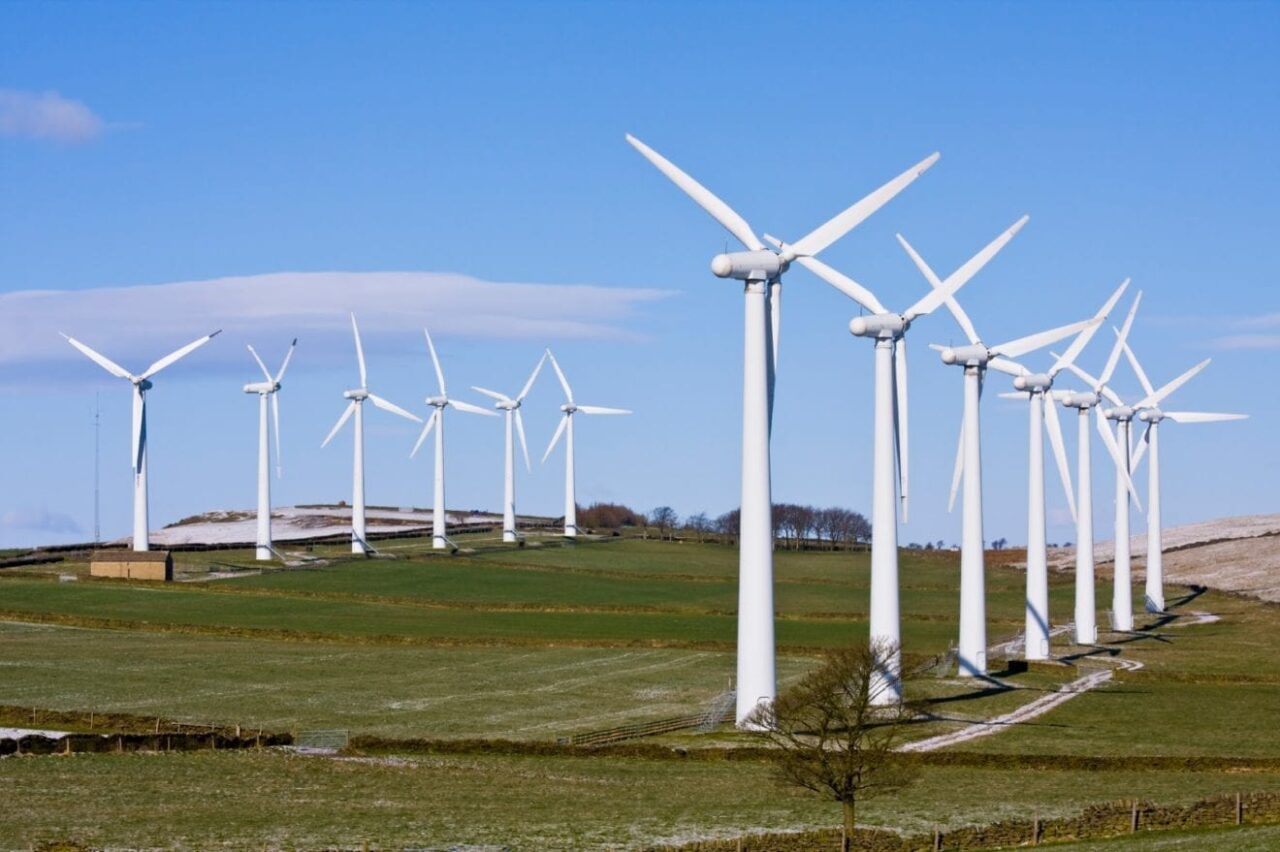
China is poised to lead an unprecedented boom in the wind energy sector, as projections indicate that the industry will install a remarkable 170 gigawatts (GW) of new capacity by the end of 2025, according to the latest report from Wood Mackenzie. This surge is not just a ripple in the energy market; it suggests a tidal wave of change, with the global wind sector expected to connect more than 70 GW in a single quarter—setting a new benchmark for quarterly additions that surpass the annual totals of any year before 2020.
This fresh market outlook reveals a robust 13% quarter-on-quarter increase largely driven by significant onshore growth in China. With such momentum, global wind capacity is projected to double from 2024 levels by as early as 2032, showcasing the country’s pivotal role in this renewable energy revolution.
Despite facing obstacles in key markets like the United States, the wind industry is on track to achieve historic scale in the coming decade. By 2031, without considering China’s contributions, global cumulative wind capacity is set to hit a terawatt, eventually doubling from 2024 levels by 2034. However, the journey isn’t without its challenges. Policy frameworks that historically supported wind sector growth are now injecting uncertainty into major markets—an ominous cloud that threatens to dampen the industry’s rapid ascent.
Sasha Bond-Smith, a research analyst at Wood Mackenzie, highlighted the “unparalleled concentration of growth in China,” which is fundamentally reshaping the wind energy landscape. Yet, not everything is smooth sailing: the offshore wind sector in China is grappling with significant hurdles, including sea-use conflicts that profoundly disrupt project timelines and even halt construction on ongoing projects.
On the flip side, onshore projects are advancing across Europe, the Asia-Pacific region, and emerging markets, bolstered by favorable tender outcomes and strong project pipelines. Nevertheless, the sluggish pace of the green hydrogen market still casts a long shadow, limiting the potential spillover benefits into wind development.
“Achieving this historic scale will require the industry to adeptly navigate this new geography of growth and adapt to changing policy landscapes,” cautioned Kárys Prado, a senior research analyst at Wood Mackenzie. In the world of wind energy, flexibility may just become the most valuable currency.
What role is China playing in the global wind energy market?
China is set to account for a significant portion of the wind energy expansion, with projections indicating it will install 170 GW of new capacity by the end of 2025, reshaping the industry’s dynamics.
Are there challenges that the offshore wind sector in China is facing?
Yes, the offshore wind sector is experiencing considerable challenges due to sea-use conflicts, which are disrupting project timelines and stopping construction on some ongoing projects.
What factors could influence the future growth of the wind industry?
Future growth will depend on how effectively the industry adapts to evolving policy landscapes and navigates the challenges presented by international markets, particularly as policy uncertainties become more pronounced.