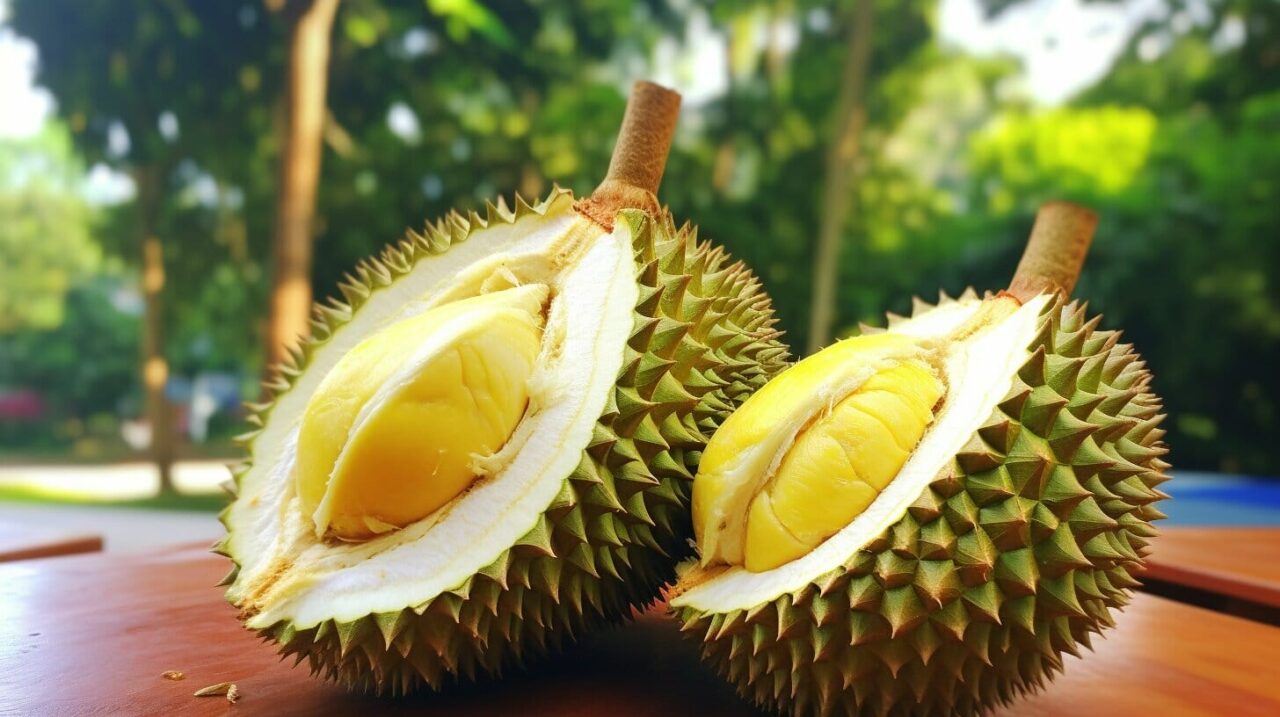
Vietnam’s durian exporters are currently facing a tough dilemma as they navigate the aftermath of a tremendous growth spurt. With China tightening its quality control measures and facing stiff competition from Thailand, the Philippines, and local Chinese production, the landscape is shifting dramatically. Now, preserving market share and ensuring sustainable growth have become critical imperatives for the industry.
In a staggering indication of this trend, Vietnam’s durian exports plunged to a mere $130 million in the first four months of 2025, marking a 74% drop compared to the same period last year. China, being the world’s largest durian market, has significantly reduced its imports, creating a ripple effect throughout the industry.
Nguyen Van Thanh, a trader hailing from the Mekong Delta—an area known for its substantial durian output—noted that this year’s fruits have largely failed to meet China’s stringent inspection criteria. The situation has fueled calls for better compliance and management within the sector.
General Secretary of the Vietnam Fruit and Vegetable Association, Dang Phuc Nguyen, emphasized the need for establishing new testing labs to satisfy Chinese safety standards, following a successful model observed in Thailand. These facilities would enable local farmers to conduct necessary tests and obtain vital certifications. He stressed that certified orchards would gain priority among traders and businesses, with products undergoing further testing at labs accredited by China.
To enhance the reputation of Vietnamese produce, Nguyen urged for penalties against fraudulent practices, stating, “Effective control at source will facilitate smoother negotiations with and customs clearance in China.”
Explaining the complications further, Henry Bui, General Director of the China-approved Hoan Vu Inspection Center, revealed that cadmium found in durians often originates from fertilizers. However, he warned that sample testing isn’t a panacea for contamination; proper oversight of illegal fertilizers is crucial. If soils are significantly compromised, remediation efforts are essential.
Meanwhile, authorities from the Department of Crop Production and Plant Protection are not sitting idle. They have joined forces with local governments to research and implement solutions. Short-term measures include soil remediation techniques to lower cadmium absorption, using lime to adjust soil pH, and introducing cadmium-absorbing crops as temporary biological solutions. Farmers are also being encouraged to cultivate high-biomass, short-cycle crops, restoring soil health and limiting cultivation during critical periods.
Long-term strategies focus on the careful application of fertilizers, combined with improved education to ensure farmers utilize the right types and amounts, thereby reducing the buildup of harmful substances. Nguyen Dang Nghia, the former director of the Soils and Fertilizers Institute, is already testing cycle-specific remedial treatments for contaminated soils across different localities in the Mekong Delta.
Bui also flagged potential hazards from auramine O, an industrial dye used to enhance fruit appearance. While it may not affect the flesh of the fruit, it can contaminate entire storage facilities if not managed correctly. Should it be detected, thorough disinfecting—or in extreme cases, even complete rebuilding of packing spaces—would be necessary.
“If businesses and testing centers collaborate effectively with farmers, the durian industry can maneuver through these formidable challenges,” Bui posited with hope.
Looking ahead, Ha Phuc Mich, chairman of the Vietnam Organic Agriculture Association, believes there’s much to learn from Thailand’s systematic approach—encompassing everything from planting zones to soil testing and legal frameworks. “It’s a lesson Vietnam must embrace immediately—not just for durians, but for other vital crops as well. We must address the root causes rather than rely on temporary fixes,” he advised.
What challenges are Vietnamese durian exporters facing?
They are dealing with stringent quality checks from China and fierce competition from Thailand and local Chinese production, leading to a steep decline in exports.
Why did Vietnam’s durian exports drop so significantly?
In the first four months of 2025, durian exports fell by 74% to $130 million as China, the largest durian market globally, reduced its imports.
What measures are being taken to improve the situation?
Authorities are focused on developing new testing labs and implementing soil remediation strategies, while farmers are encouraged to use proper fertilizers and grow specific crops that help restore soil health.