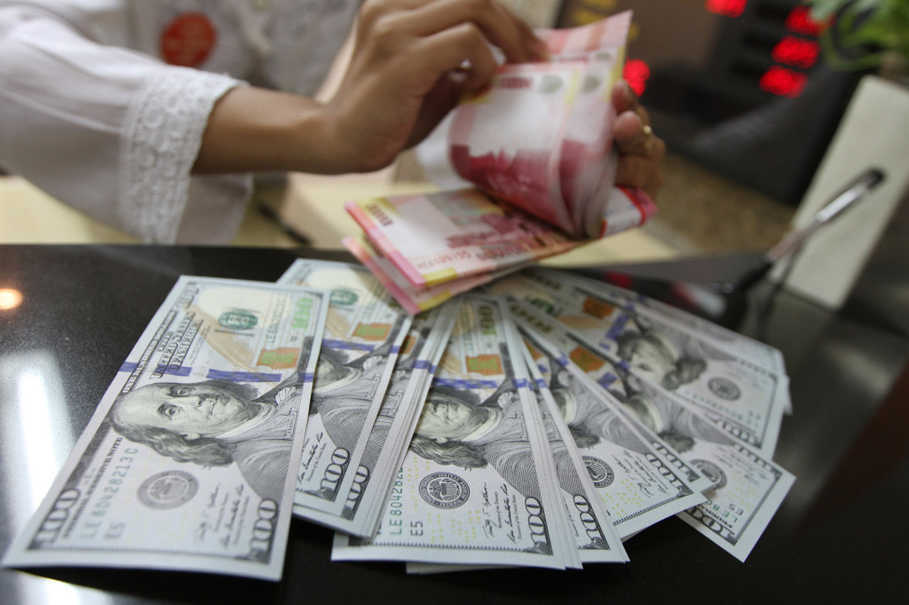
In a notable shift, Vietcombank set the dollar at VND26,370, reflecting a 0.08% decline compared to the previous weekend’s rate. Meanwhile, in the black market, the dollar maintained a robust position at around VND26,480.
The State Bank of Vietnam also adjusted its reference rate, lowering it by 0.04% to VND25,240, marking another chapter in the ongoing currency fluctuations.
On the global front, the dollar experienced a slight uptick on Monday, recovering marginally after a staggering U.S. jobs report and the surprising firing of a high-ranking labor official by President Donald Trump rattled investors. The developments fueled expectations for imminent rate cuts by the Federal Reserve, according to Reuters.
Against a basket of major currencies, the dollar climbed by 0.2%, reaching 98.86, following a significant drop of over 1% last Friday. In the currency exchange market, the dollar made a modest recovery against the Japanese yen, trading 0.14% higher at 147.60 yen, albeit still down around 3 yen from its peak on Friday. The euro slipped by 0.2% to $1.1560, while sterling eased slightly, down 0.1% to $1.3263, demonstrating the ongoing volatility in currency markets.
What caused the U.S. dollar to fall against the Vietnamese dong?
The dollar’s decline against the dong mainly resulted from Vietcombank’s adjusted selling rate and a global market response to disappointing U.S. job figures and the surprising removal of a labor official by President Trump.
How did the State Bank of Vietnam respond to the shifting currency landscape?
The State Bank of Vietnam lowered its reference rate by 0.04% to VND25,240, which plays a role in guiding the overall value of the dong amid international fluctuations.
Is the dollar likely to show more volatility in the near future?
Given the current economic environment, including rate cut expectations from the Federal Reserve and geopolitical uncertainties, the dollar is expected to experience continued volatility against multiple currencies.